The Importance of Mentorship for New Veterinary Graduates: What to Look for in a Great Mentor
October 3, 2024
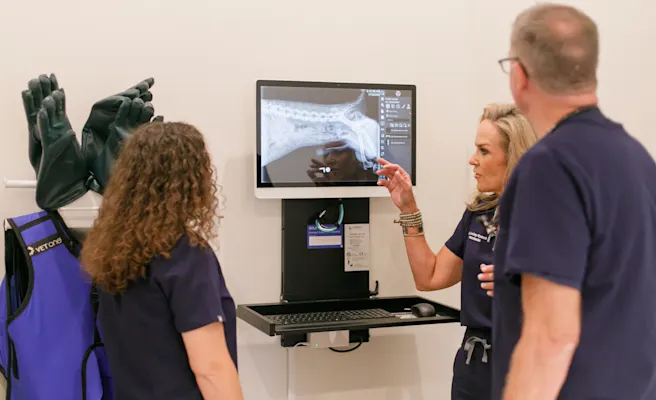
Graduating from veterinary school is a massive achievement, but stepping into the real world of veterinary practice can be a challenge. As a new vet, you’re entering a fast-paced, dynamic field that requires not only medical knowledge but also strong communication, problem-solving skills, and emotional resilience. This is where mentorship becomes a game-changer.
At Petfolk, we understand how critical strong mentorship is for a smooth transition from school to practice. Whether you’re just starting your first job or looking to grow within your role, having the right mentor can set the tone for your entire veterinary career. Let’s dive into why mentorship is so important for new graduates and what to look for in a great mentor.
1. Why Mentorship Matters for New Veterinary Graduates
Bridging the Gap Between School and Practice Vet school provides a solid foundation, but the reality of working in a clinic can feel very different. Having a mentor who understands the transition can help you bridge the gap between theoretical knowledge and practical application. From handling complex cases to managing a busy schedule, your mentor will offer real-world insights that help you hit the ground running.
Confidence Building Your first year out of vet school can be full of moments of uncertainty. Whether it’s making treatment decisions, communicating with clients, or navigating workplace dynamics, a mentor helps build your confidence. With their guidance, you’ll feel more secure in your decision-making and gain the assurance needed to thrive in the clinic.
Emotional Support The veterinary field can be emotionally challenging, especially in those first few months when everything feels new and overwhelming. A strong mentor not only helps you with clinical skills but also offers emotional support, helping you cope with the highs and lows of the job. This kind of support can make all the difference when you face tough cases or stressful situations.
Long-Term Career Development Great mentorship isn’t just about surviving your first year; it’s about building a foundation for long-term success. A mentor can help you set career goals, identify areas for professional growth, and even introduce you to networking opportunities. Whether you aspire to specialize, move into leadership, or one day open your own clinic, a mentor’s guidance can be instrumental in shaping your career path.
2. Qualities to Look for in a Great Mentor
Not all mentorship experiences are created equal. It’s essential to find a mentor who aligns with your values, work style, and career goals. Here are some qualities to look for when seeking out a mentor:
1. Strong Clinical Skills and Experience One of the most important qualities of a great mentor is having a wealth of clinical experience. You want someone who has been in the trenches, handled a variety of cases, and is confident in their veterinary skills. A mentor with a strong clinical background can guide you through challenging cases, offer new perspectives, and help you refine your approach to treatment plans.
At Petfolk, we believe in pairing new veterinarians with mentors who have a deep understanding of veterinary medicine, ensuring you have access to top-notch guidance and expertise.
2. Patience and Approachability As a new graduate, you’ll have a lot of questions—and that’s okay! A great mentor is patient and approachable, willing to answer your questions and walk you through complex scenarios. You should feel comfortable asking for help, admitting when you’re unsure, and learning from your mentor’s feedback without feeling judged or rushed.
Mentorship is about creating a safe space for growth, where you can make mistakes and learn from them. A patient mentor fosters that kind of environment and helps you develop at your own pace.
3. Strong Communication Skills Clear communication is key to a successful mentorship. Your mentor should be able to explain concepts, provide constructive feedback, and help you understand not only the “how” but the “why” behind decisions. In addition, a mentor who is a great listener is equally important. They should take the time to understand your concerns, career goals, and learning style, tailoring their guidance to fit your unique needs.
4. Passion for Teaching and Coaching A great mentor isn’t just skilled—they’re also passionate about teaching. Look for someone who genuinely enjoys helping others grow and succeed. This kind of mentor will go the extra mile to explain procedures, provide learning opportunities, and encourage you to take on new challenges. They’ll be invested in your success, not just as a veterinarian, but as a person.
5. Emotional Intelligence Veterinary medicine is as much about working with people as it is about caring for animals. A great mentor understands the importance of emotional intelligence in the workplace. They can help you navigate difficult conversations with clients, manage stress in high-pressure situations, and maintain a healthy work-life balance.
Emotional intelligence also allows a mentor to be empathetic to your struggles, offering support when the job becomes overwhelming. They can model how to handle the emotional challenges of the profession, such as dealing with euthanasia or comforting distressed pet owners.
6. Supportive, Not Controlling A great mentor strikes the right balance between offering guidance and allowing you to develop your own decision-making abilities. You don’t want someone who micromanages every aspect of your work or discourages you from trying things your own way. Instead, look for a mentor who provides support and constructive feedback but trusts you to make decisions and learn from your experiences.
3. How to Find the Right Mentor
Now that you know what to look for, how do you find a mentor who checks all the boxes?
Leverage Your Network During your clinical rotations, externships, and job interviews, keep an eye out for potential mentors. You can also reach out to colleagues, professors, or industry connections for recommendations. Some veterinary practices, like Petfolk, offer structured mentorship programs specifically designed to support new graduates, making it easier to find a good fit.
Ask the Right Questions When considering a mentor, don’t hesitate to ask direct questions about their mentoring style. What do they enjoy about mentoring? How do they approach difficult cases? How often will you meet for one-on-one guidance? Their responses will give you insight into whether their mentoring style aligns with your needs.
In the fast-paced world of veterinary medicine, mentorship is an invaluable resource that can ease your transition from student to practicing veterinarian. By finding a mentor who is experienced, patient, and supportive, you’ll not only grow as a clinician but also gain confidence and emotional resilience as you navigate the complexities of the job.
At Petfolk, we’re passionate about providing new veterinarians with the mentorship they need to thrive. We believe that with the right guidance, every new graduate can find their place in this rewarding profession. Stay curious, stay open, and find the mentor who will help you unlock your full potential.